Key Takeaways
Many types of boat damage happen below the waterline and go unnoticed.
Boat lifts protect against algae buildup, corrosion, and hull deterioration.
Keeping your boat out of the water extends its lifespan and reduces maintenance.
Long-term exposure to water can damage finishes, components, and performance.
A lift is not just convenience—it’s protection for your investment.
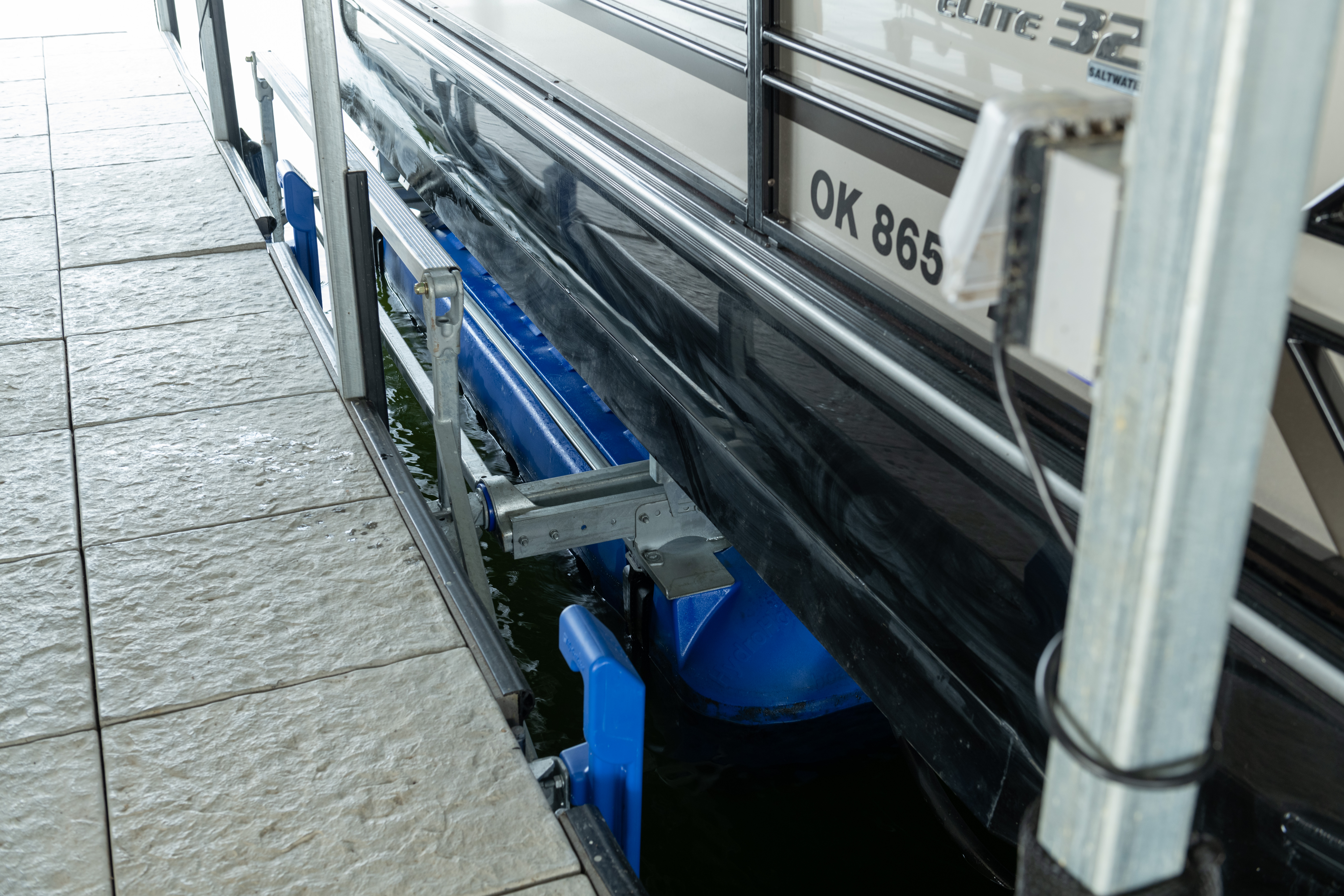
The Damage You Don’t See (Until It’s Too Late)
Talk to enough boaters, and you’ll eventually come across those who say they leave their boats in the water all season without any issues. At first glance, that may seem true. The hull still looks intact, the engine runs, and the boat performs as expected. However, many forms of water-related damage develop gradually and remain hidden until they require expensive repairs.
Leaving a boat in wet storage exposes it to constant moisture, marine organisms, and corrosive elements around the clock. Over time, these conditions can affect the hull, underwater components, and critical systems in ways that aren't immediately noticeable during routine use.
By the time issues appear, whether it’s increased drag, hull blistering, or advanced corrosion, the underlying problem may have been developing for months or even years.
How Constant Water Exposure Affects Your Boat
Storing a boat in the water long-term causes continuous physical and chemical stress to the hull and mechanical systems, causing:
Hull Degradation: While fiberglass hulls are highly durable, they’re not completely impermeable. Over time, water can seep through the outer gelcoat and saturate the fiberglass layers beneath, weakening the hull before a single crack appears on the surface (Dockside Pros, 2025).
Marine Growth: Leaving a boat in the water when not in use creates ideal conditions for algae, barnacles, mussels, and other organisms to attach to the hull, propeller, and other critical components. The accumulation of marine growth reduces the boat’s ability to glide smoothly through the water, resulting in higher fuel consumption and sluggish handling.
Corrosion: Metal components below the waterline are constantly exposed to moisture and electrolytes that can accelerate corrosion. Corrosion often begins in hard-to-see areas, such as propellers, shafts, and trim tabs, making it easy to overlook until damage becomes significant enough to affect performance or require replacement.
These issues aren’t just cosmetic. They directly compromise the structural integrity, safety, and efficiency of boats, quietly eroding their value every single day they sit in wet storage.
How Boat Lifts Prevent These Problems
A boat lift protects your vessel by keeping it out of the water between outings. By eliminating continuous exposure to moisture, marine growth, and corrosive conditions, lifts address the root cause of many common forms of hidden damage.
With a cleaner hull, the boat also glides more easily through the water, requiring less fuel to achieve and sustain optimal speed and performance. While the resistance caused by marine growth may seem negligible, its cumulative impacts can reduce fuel efficiency by 15-20% or more (Alberni Power & Marine, 2024).
Storing boats on a lift also encourages routine inspections and maintenance. Owners can quickly identify developing issues, clean the hull when needed, and address maintenance concerns before they require major repairs.
The Cost of Leaving a Boat in the Water
Hull scrubbing, bottom painting, marine growth removal, and corrosion management can become regular expenses for boats that remain in wet storage for extended periods, with bottom cleaning and anti-fouling treatments potentially costing hundreds per year (Boating World, n.d.).
As damage progresses, repairs become more frequent and more expensive. Corroded hardware, damaged coatings, hull blister repairs, and replacement parts can quickly add up, especially when issues go undetected for long periods. And should you decide to sell, a vessel that’s lived most of its life in the water will cost less than one that’s stored on a lift.
While premium boat lift systems require a considerable upfront investment, many owners find that the reduced maintenance and repair costs, coupled with the boating convenience they offer, make them well worth the initial cost.
Everyday Benefits Beyond Protection
While protecting vessels from hidden damage is one of the primary benefits of investing in a lift, it also eliminates many cumbersome aspects of boat ownership.
Convenient Launching and Docking: Often, the hassles of trailering and waiting in line at public launches can deter owners from enjoying their boats. With a premium boat lift, you can go from dry storage to the open water in minutes, encouraging more spontaneous outings and maximizing time doing what you enjoy.
Easier Maintenance: With the boat elevated above the waterline, routine maintenance becomes easier. You can wipe down the hull, flush the engine, and inspect your running gear without ever getting wet or paying for a commercial haul-out.
Peace of Mind When Not in Use: Keeping a boat on a lift protects it from impact damage caused by wakes, waves, and passing traffic. It also deters vandals and opportunistic thieves, giving owners invaluable peace of mind.
Simply put, investing in a lift makes boating easier, empowering owners to focus more on enjoying their time on the water.
When a Boat Lift Makes the Most Sense
Boat lift costs can range from $4,300 to $28,000, depending on capacity, features, and required supporting structures (Vanquish Boating, Sept. 2023). As such, how often you use your boat and where it’s docked will largely determine if the upfront costs are worth it.
Boat lifts are especially valuable for high-use recreational boats that spend much of the season near the water. They’re also essential for those managing high-value vessels. Whether it’s a classic wooden boat, a luxury cruiser, or a top-tier wake boat, protecting its structural integrity, flawless finish, and resale value requires keeping it high and dry.
Since reimagining in-water boat storage in 1964, HydroHoist has remained at the forefront of marine innovation, continually engineering practical solutions for protecting boats.
Enter your zip code in the dealer locator tool at the bottom of this page to get a list of authorized HydroHoist dealers near you, and discover one of the best boat dock protection systems available today.
FAQs
Do boat lifts really prevent hull damage?
Yes, boat lifts can significantly reduce the risk of hull damage by keeping the vessel out of the water when not in use. Limiting constant water exposure helps prevent issues such as hull blistering, moisture intrusion, marine growth, and long-term deterioration of protective coatings.
What kind of damage happens when a boat stays in the water?
Boats left in wet storage are vulnerable to multiple forms of damage: prolonged exposure can cause hull blistering from osmosis, marine growth like barnacles and algae, and accelerated corrosion of metal fittings and mechanical systems. These issues not only shorten the vessel’s lifespan but also reduce performance and resale value.
Is a boat lift worth the investment?
Yes, a boat lift is widely considered worth the investment because it drastically reduces ongoing maintenance expenses for haul-outs, hull scraping, and bottom painting while actively preserving the boat's long-term resale value. When you factor in the everyday convenience a lift provides, many owners consider boat lifts as a game-changing investment.
Can a lift help prevent corrosion and algae buildup?
Yes, keeping a boat out of the water between uses can greatly reduce algae growth, barnacle attachment, and other forms of biofouling. A lift also limits the amount of time metal components are exposed to moisture and corrosive conditions, mitigating the natural corrosion process.
How long can a boat safely stay in the water without a lift?
The answer depends on factors such as water conditions, climate, hull material, and maintenance practices. Some boats remain in the water for an entire season, but the risk of marine growth, corrosion, and hull-related issues generally increases the longer they stay submerged.
References:
Dockside Pros (March 31, 2025). 8 Hidden Boat Defects That Only Boat Surveyors Can Find, https://docksidepros.com/8-hidden-boat-defects-that-only-boat-surveyors-can-find/
Alberni Power & Marine (February 23, 2024). A Comprehensive Guide to Boat Fuel Consumption, https://www.albernipowermarine.com/blog/a-comprehensive-guide-to-boat-fuel-consumption
Boating World (n.d.). What is the cost to clean the bottom of a boat?, https://www.boatingworld.com/question-answer/what-is-the-cost-to-clean-the-bottom-of-a-boat/


