Key Takeaways
Marina costs extend far beyond installation expenses.
Floating lift systems can support operational efficiency and long-term planning.
Flexible systems help marinas adapt to changing tenant and vessel needs.
Boat protection can reduce maintenance concerns for customers.
Better use of waterfront space can improve overall marina operations.
Why Long-Term Cost Matters More Than Upfront Price
Marina equipment operates in a demanding, highly corrosive environment. While inexpensive lift systems might look appealing on a quarterly budget sheet, low upfront prices almost always entail recurring maintenance expenses down the line. A boat lift that requires frequent parts replacements or unexpected downtime can quickly erode a marina’s profit margins.
To achieve sustainable marina cost savings, owners and operators must consider the total cost of ownership, including long-term lift maintenance requirements, equipment lifespan, operational efficiency, and how well a system continues to support evolving business needs over time.
Premium floating boat lift systems may require a steeper investment. Still, when you amortize the initial asset cost over its lifespan, which frequently exceeds 20 to 25 years, the true annual cost of ownership drops dramatically.
For marina operators focused on controlling operating costs, choosing equipment that remains reliable year after year is often a more cost-efficient investment than selecting the least expensive option.
Ready to optimize your marina’s asset lifecycle? Talk with a HydroHoist marina solutions expert.
Cost Factor #1: Protecting Customer Boats From Constant Water Exposure
Today's boat owners are acutely aware of the long-term effects of continuous wet storage. Marine growth, hull staining, blistering, and drive corrosion all contribute to ownership costs, making lift-equipped slips an attractive option for customers who want to better protect their prized vessels.
Once boaters experience the convenience of storing their vessel on a lift with immediate water access, many are reluctant to return to traditional wet slips or the scheduling limitations of dry-stack storage (360 Research Reports, 2026). By providing a premium, hassle-free tenant experience, marinas can command higher rental rates, secure multi-year slip leases, and maintain optimum occupancy.
Cost Factor #2: Flexibility for Changing Slip Requirements
Demand rarely stays the same from year to year. Boat sizes evolve, customer demographics shift, and new market opportunities emerge. Marina infrastructure that can adapt without extensive reconstruction gives operators greater flexibility when planning for the future.
Unlike traditional lift installations that rely on fixed pilings, premium floating boat lift systems can be integrated into modular dock layouts that are easier to reconfigure. Operators can adjust slip sizes, accommodate different vessel types, or redesign portions of the marina as demand changes without rebuilding large sections of waterfront infrastructure.
For example, a marina experiencing increased demand for larger center consoles may decide to combine smaller slips into fewer premium spaces. Another property might dedicate part of its waterfront to PWC storage during peak summer months before converting the area back for seasonal boating demand. These adjustments become significantly easier with modular floating systems.
Cost Factor #3: Better Use of Existing Waterfront Space
With commercial waterfront real estate at an absolute premium, developers and operators are under immense pressure to make every square foot of water space profitable (Storable Marine, 2026). Irregular bulkhead angles, shallow fairways, or tight basin corners often become dead, non-revenue-generating space because traditional vessels cannot safely navigate or dock there.
Modular floating docks and lift systems allow operators to reclaim these overlooked areas and generate new rental income by installing low-profile floating lifts or PWC ports. Instead of expanding the waterfront property, these highly configurable systems enable operators to improve how existing space is organized and utilized.
Check out our blog for more insights into how floating boat lift systems work.
Cost Factor #4: Maintenance Access and Operational Efficiency
Maintenance requirements directly affect long-term marina cost savings. Equipment that is easier to inspect, service, and repair can reduce labor demands while minimizing disruptions to daily marina operations.
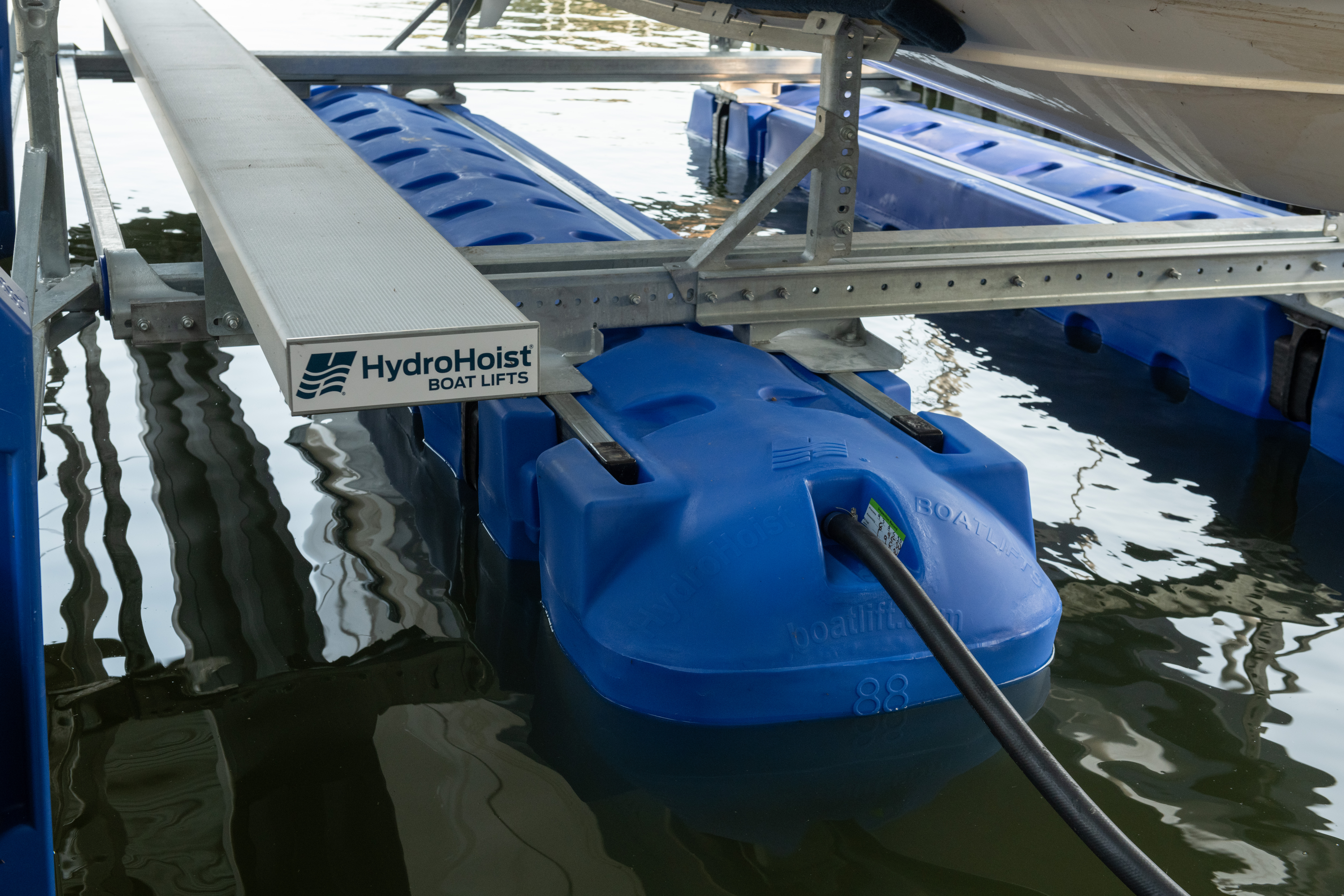
HydroHoist floating lift systems keep all steel parts above the water when they’re raised, allowing marina personnel to perform routine maintenance directly from the dock. Tanks, hoses, bunk brackets, and other components are easier to inspect, minimizing the need to schedule professional maintenance services.
Moreover, when customers need routine hull inspections, propeller maintenance, zinc replacement, or light detailing, technicians can perform the work while the boat remains in the slip. This reduces scheduling conflicts for larger service equipment while keeping travel lifts and forklifts available for projects that truly require them.
Imagine a busy holiday weekend when several tenants request quick service before heading out on the water. Rather than creating bottlenecks in the service yard, marina staff can complete many routine maintenance tasks directly at the dock, improving workflow without interrupting other operations.
Cost Factor #5: Adapting to Water Conditions and Marina Layouts
Water conditions can vary widely from one marina to another, making adaptability a critical consideration when evaluating marina lift systems. Floating systems naturally rise and fall with changing water levels, remaining operational through normal tidal fluctuations while reducing concerns associated with fixed operating ranges.
Locations exposed to frequent boat traffic or heavy wakes can also benefit from systems designed to absorb movement. Floating lift designs that incorporate durable polyethylene tanks and robust connections help dissipate wave energy rather than transferring repeated stress into surrounding dock infrastructure. This contributes to a more stable environment for both vessels and marina facilities.
Site conditions are another important factor. Some waterfronts feature deep water, shallow approaches, rocky bottoms, or other characteristics that make installing permanent pilings difficult or expensive. Floating lift systems operate without driving pilings into the seabed, making them suitable for a wider variety of marina configurations.
These advantages also help simplify project planning. Because floating systems generally attach to existing floating docks without disturbing the seabed, some projects involve fewer permitting challenges than traditional fixed-lift installations. While permitting requirements vary by location, minimizing environmental disturbance can help streamline marina improvement projects.
How HydroHoist Supports Marina Operators
For more than 60 years, HydroHoist has worked with marinas, waterfront developers, and commercial establishments to deliver dependable in-water storage solutions designed for ease of ownership and long-term performance.
HydroHoist offers commercial boat lift solutions for a wide range of vessel types, including floating boat lifts for shallow water, freestanding drive-on lifts, and PWC ports, among other highly configurable systems that integrate seamlessly with modern marina layouts.
Whether upgrading an existing marina or planning a new waterfront development, HydroHoist helps operators evaluate layouts and identify lift solutions that fit their long-term operational goals. And with the most extensive dealer and distribution network across North America, choosing HydroHoist ensures you have access to service, parts, and expert advice, wherever you are.
Enter your zip code in the tool at the bottom of this page to find a HydroHoist dealer near you today and get expert guidance on choosing the right boat lift system for your marina.
Questions Marina Operators Should Ask Before Investing
What boats do we serve?
The mix of boats at your marina should guide every infrastructure decision. Understanding current vessel sizes, projected demand, and customer preferences helps determine which lift configurations will provide the greatest operational value.
How much space is underutilized?
Walk the property with a critical eye. Underused dock sections, irregular waterfront areas, or oversized slip layouts may present opportunities to improve how existing space supports current operations without expanding the marina's footprint.
What maintenance challenges exist today?
Review where maintenance costs and operational delays occur most often. Frequent underwater inspections, difficult equipment access, or repeated service interruptions may indicate opportunities to simplify operations by using alternative lift technologies.
How will our marina evolve over time?
Infrastructure decisions should support future growth, not just today's requirements. Whether expanding services, accommodating larger vessels, or adjusting slip configurations, selecting systems with long-term flexibility can make future improvements easier and less disruptive.
FAQ
How do floating systems lower marina costs?
Floating systems can help reduce long-term marina costs by enhancing operational flexibility and better utilizing existing waterfront space. Their modular design allows operators to adapt layouts to changing demands without extensive infrastructure changes.
Are floating boat lifts a good investment for marinas?
Yes, floating boat lifts are an excellent commercial investment because they allow facilities to command premium rental rates and secure stable, multi-year tenant leases. By offering hassle-free, 24/7 boat availability without the yard bottlenecks of traditional dry-stacking, operators can significantly optimize revenue per linear foot.
Can floating systems improve slip utilization?
Yes, modular floating systems make it easier to reconfigure marina layouts to accommodate different boat sizes or seasonal demand, helping operators maximize the use of available waterfront space.
How do boat lifts help protect customer boats?
Boat lifts keep vessels out of the water when not in use, reducing exposure to marine growth, staining, corrosion, and hull fouling. This can lower maintenance needs for boat owners while helping preserve the vessel's appearance and condition.
What should marina operators evaluate before investing in lift systems?
Marina operators should consider their current boat mix, available waterfront space, maintenance requirements, site conditions, and long-term growth plans. Choosing a system that aligns with both current operations and future needs can support more efficient planning and infrastructure decisions.
Can floating lift systems work with existing docks?
In many cases, yes. Floating lift systems are often designed to integrate with existing floating dock systems, allowing marinas to upgrade or expand without completely rebuilding their waterfront infrastructure.
References:
360 Research Reports (January 19, 2026). Boat Lifts Market Size, Share, Growth, and Industry Analysis, https://www.360researchreports.com/market-reports/boat-lifts-market-211612
Storable Marine (April 2, 2026). Marina Industry Trends 2026, https://www.storablemarine.com/resources/marina-industry-trends-2026/


