Choosing the Right Control System for Your Boat Lift: Wired vs Wireless vs Smart Integration
Key Takeaways
Learn the pros and cons of wired, wireless, and smart boat lift control systems.
Understand which technologies fit your lift type, usage, and environment.
Discover smart integrations for remote control and safety monitoring.
Get expert advice from BoatLift on upgrading your existing system.
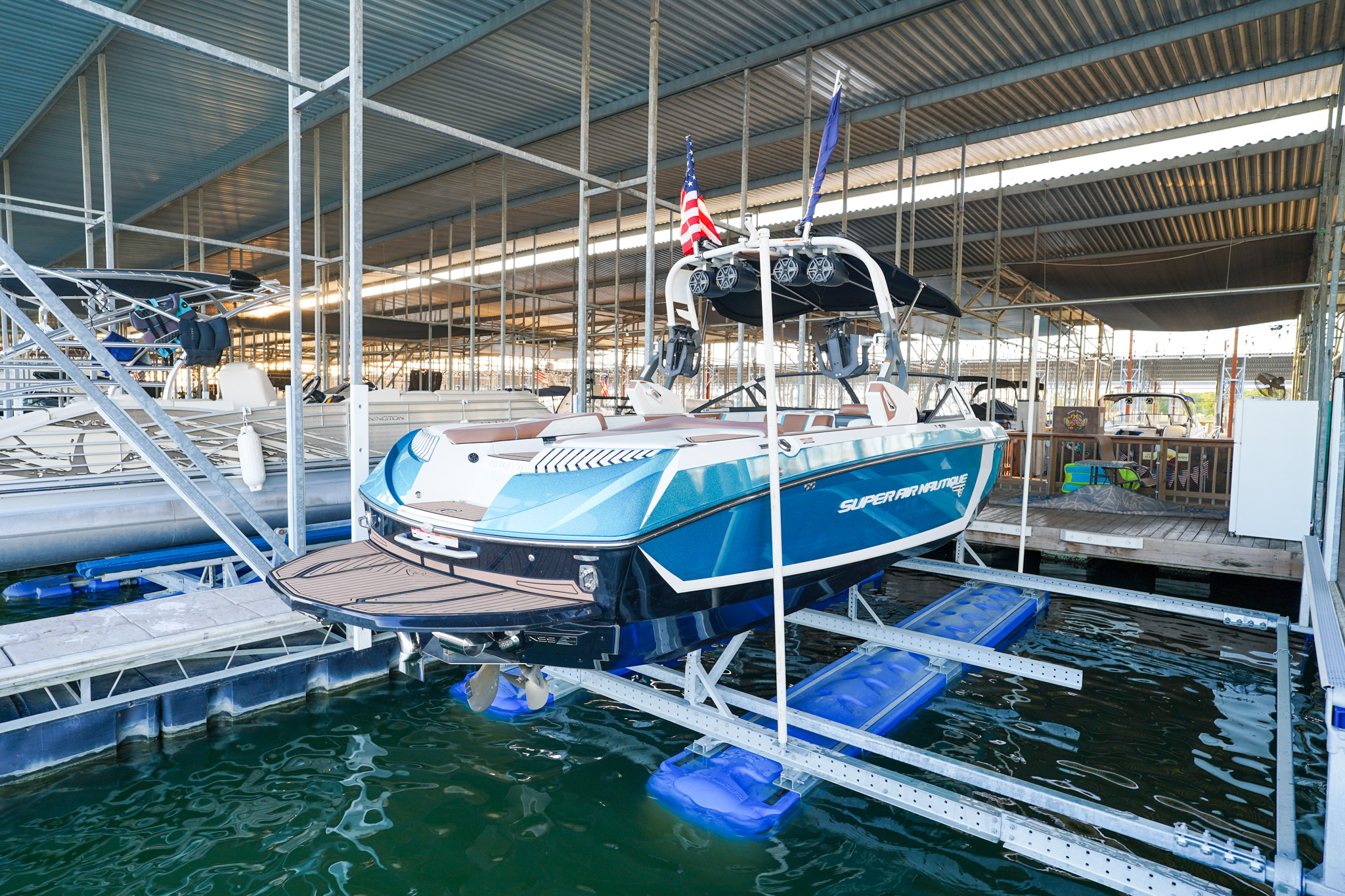
Why Control Systems Matter for Boat Lifts
A boat lift can have the best build quality and most advanced engineering, but if the controls are labor-intensive, inconvenient, or unreliable, then the whole experience suffers. The control system is the part you interact with every single time you head out or come back in. When boat lift controls are smooth, intuitive, and consistent, everything about owning a boat feels better.
Instead of a cumbersome chore, launching and docking become a seamless ritual you barely think about. Turn a switch, press a button, or tap an app, and your lift does what it’s supposed to do. When you can launch and dock with ease, boating is that much more enjoyable.
Wired Boat Lift Controls
As one of the most common setups, you’ve likely seen these control boxes mounted dockside and connected directly to the lift motor. Because everything is hard-wired, these control systems deliver reliable, immediate responses using a simple toggle switch or up/down buttons. Wired boat lift controls are straightforward and durable, making them a go-to choice for boaters who prefer a simple, no-nonsense interface.
That said, wired controls do come with tradeoffs. You’re limited to operating the lift from wherever the control box is installed. This makes launching solo difficult. You must lower the boat, scramble aboard quickly, and drift out. Docking without help is also harder because you cannot raise the lift to stabilize the boat until you climb up the dock.
Wireless Boat Lift Controls
Wireless boat lift controls take the basic functionality of a wired system and add the convenience of operating the lift from a distance using a wireless boat lift remote or a key fob. Many systems use radio frequency (RF) signals, which don’t require line of sight and tend to work reliably around pilings, boats, and other structures.
For solo boaters, a wireless boat lift control is a game-changing upgrade. After launching, you can raise the lift directly from the boat, keeping it out of the water while you’re away. On return, you can lower the lift as you approach, then raise it slightly from the helm to stabilize the vessel before safely stepping off. In windy conditions or choppy water, the ability to control the lift from the boat can prevent mishaps and protect your watercraft from damage.
Just keep in mind that wireless range varies by system (typically from 50 to 300 feet), and performance can be affected by interference or obstructions around the dock.
Smart Integrated Systems
The newest generation of boat lift control systems merges traditional RF reliability with the versatility of internet connectivity. These systems let you monitor and control the lift remotely, whether you’re onshore, in the garage, or halfway to the marina. Beyond basic lift controls, these smart systems often include features, such as alerts for lift status, synchronization with other dock or boat lift accessories like lighting or security, and user management for shared waterfront properties.
Most smart boat lift controls are designed to work with a range of existing lifts. However, they often require a stable Wi-Fi connection at the dock and a subscription to unlock remote access or premium monitoring features.
Choosing What’s Right for You
Think about how often you use your boat, who operates the lift, and what level of convenience you’re willing to pay for. Wired controls are typically the most affordable, offering straightforward installation and minimal long-term costs. Wireless remotes sit in the middle; you’ll pay a bit more for the convenience of operating the lift from a distance, but installation and upkeep remain virtually the same.
Smart systems are the premium option, with higher upfront costs and, in some cases, subscription fees for remote access or advanced monitoring. The added investment makes sense if you want full visibility, automation, and the ability to control your lift from anywhere—ideal for frequent travelers, multi-boat setups, or commercial establishments that require shared access and oversight. Of course, you should always consider the system’s installation requirements and its compatibility with your existing setup.
At HydroHoist, we understand that every boater has unique requirements. That’s why we offer multiple HydroMate® control configurations to match your specific lift system and usage patterns. Our expert dealers can help you select the ideal setup for your waterfront lifestyle. Enter your zip code in the dealer locator tool below to get a list of authorized HydroHoist dealers near you, and take the first step to reimagining boating convenience.
Installation & Safety Tips
Once you’ve chosen the control system that fits your boating routine, the next step is making sure it’s installed correctly and set up to perform reliably. Wired and wireless controls share many of the same basics — mounting a boat lift control box, securing connections, and ensuring the electrical system is properly grounded — while smart systems add a few extra steps like Wi-Fi setup, app pairing, and account activation (North Shore Safety, n.d.).
Here are some best practices:
Wired Controls: When possible, position wired controls in a location that allows for easy access during boat launching and docking. Make sure the control box and all wiring are protected from moisture and corrosion.
Wireless Systems: Test the remote’s range in different conditions and locations around the dock. Keep spare batteries on hand and check for interference from nearby electronics (Ron Hranac, n.f.).
Smart Systems: Ensure strong Wi-Fi coverage at the dock. We recommend adding a marine-grade signal booster or mesh extender to maintain reliable connectivity, especially in areas with weak or obstructed signals. Regularly update the app and firmware to keep features secure and functional.
No matter which boat lift control system you choose, we recommend professional installation to ensure everything is done correctly and safely. This ensures you get reliable performance every time you operate the lift.
FAQs
Can I convert my wired lift to wireless?
Yes. HydroHoist’s HydroMate® control system is designed to be easily upgradeable, allowing you to convert a wired lift into a wireless setup seamlessly.
How far can a wireless boat lift remote work?
Wireless remotes typically operate within a range of 50 to 300 feet, depending on environmental factors. Obstacles like pilings, boats, or dock structures can slightly reduce the effective range.
Are smart lift systems weather-resistant?
HydroMate® control units are built with weather-sealed enclosures that protect sensitive electronics from rain, spray, and humidity. This ensures consistent operation even in exposed dockside locations.
References:
North Shore Safety (n.d.). 2023 Code Year: NEC 555
Ron Hranac, ARRL Colorado Section Technical Specialist (n.d.). An Introduction to Radio

