Winter Boat Lift Maintenance Guide: How to Winterize, Inspect & Store for Cold Weather
Key Takeaways
Proper winterization prevents costly repairs, corrosion, and ice damage to your boat lift.
A thorough post-season inspection ensures safety and extends equipment lifespan.
Learn when to remove, store, or secure your lift in water—and how to prepare for next season.
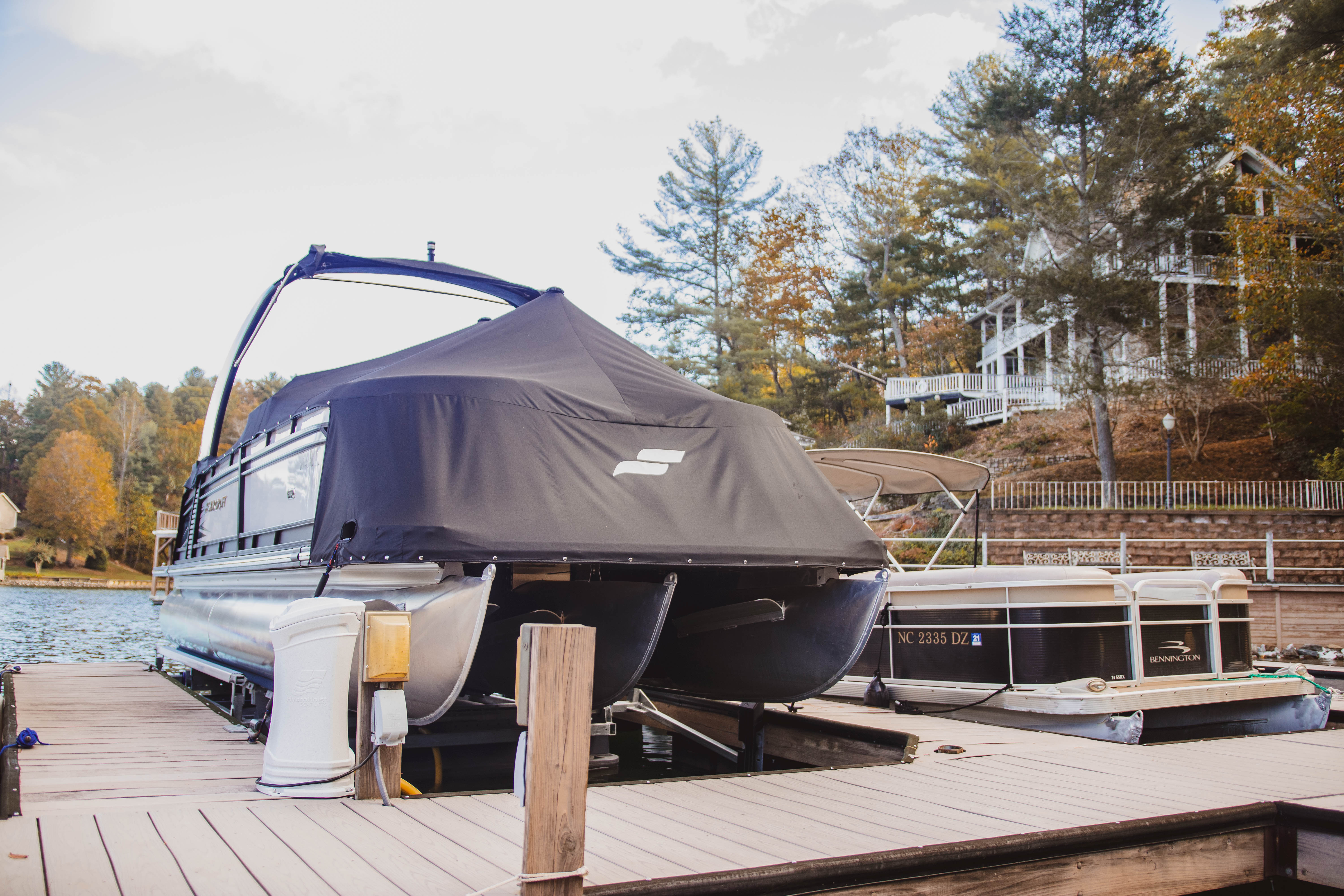
Why Winterizing Your Boat Lift Matters
Just like the vessel it protects, your boat lift’s structural, mechanical, and electrical components are vulnerable to potential winter damage. As water freezes, it expands with enough force to crack tanks, warp lift arms, and stress welds or pivot points. Even a small amount of frozen moisture in a control box can ruin sensitive electronics, while water in the motor can crack the housing and seize the gears (BoatU.S., n.d.).
Even in warmer climates, winter often brings increased humidity, storm activity, and moisture exposure—all of which can accelerate rust, degrade seals, and compromise lift performance. It may not be the most exciting aspect of boating, but if you want a seamless and stress-free start to the next boating season, you must treat boat lift winterization as an essential part of ownership.
Step 1: Perform a Full Postseason Boat Lift Inspection
Whether you're removing your lift for seasonal storage or leaving it in the water, a detailed postseason inspection helps catch minor issues early, allowing you to schedule repairs or order parts before the busy spring season.
Structural Checkpoints
Walk your dock and give the lift a thorough once-over, paying close attention to all moving and load-bearing parts, including:
Frame: Look over the entire lift frame, checking for signs of rust, stress fractures, or misalignment. If you have a floating lift, pay close attention to areas near the waterline or tank mounts, where corrosion and wear are most likely to occur.
Dock Bracket and Pivot Bolts: If you’re leaving the lift in the water, check that all dock brackets and arm pivot bolts are securely fastened. Check for signs of excessive wear or advanced corrosion. Consider applying a marine-grade protective coating to exposed metal surfaces to mitigate winter damage.
Cables, Rollers, and Bearings: If you have a cable-drawn lift, inspect the cables for fraying, rust, binding, or noticeable wear that can restrict smooth operation. Lubricate pulleys, gears, hinges, and other moving parts to prevent them from freezing over winter. Inspect all grease points and bearings, and apply grease as necessary to ensure smooth operation.
Electrical & Control System Review
If you have a motorized lift, remove the motor and store it indoors to protect it from moisture, corrosion, and potential freezing damage. Unplug everything from its power supply, including control boxes, remotes, and transformers, to prevent damage from electrical surges during winter storms. Inspect all wiring and terminals for signs of wear, rust, or salt buildup, and ensure enclosures are sealed tightly to block out condensation.
Optimal Lift Position
If you’re leaving the lift in the water, raise the lift to its highest position to keep all components out of the water as much as possible to mitigate corrosion and marine growth. If you have a boat lift canopy, remove it to prevent rainfall and snow accumulation from damaging the canopy fabric and frame.
Step 2: Clean and Prep Before Storage
When it comes to winterizing boat lifts, the bulk of the work lies in ensuring everything is thoroughly cleaned, maintained, and (if you’re removing the lift) properly stored until the next boating season. This includes all loose accessories, equipment, and other items typically stored on the dock.
Here are some best practices to keep in mind:
Remove debris and marine growth: Use a soft brush or non-abrasive scraper to clear any buildup from lift arms, bunks, and tanks. Marine growth can trap moisture and salt, accelerating corrosion and reducing the efficiency of moving components. Rinse with mild soap and freshwater, or use eco-friendly cleaners, to avoid damaging protective coatings and harming the marine ecosystem.
Dry components thoroughly before storage: Wipe down metal parts and electrical components with a clean microfiber towel and let them air-dry before covering or storing to prevent freezing damage. Even in warmer climates, trapped moisture can lead to rust, seal degradation, and electrical shorts.
Remember, marine dealers and manufacturers get busier as the boating season approaches. Schedule inspections and repairs as soon as possible to avoid any delays and downtime.
Step 3: Decide—Remove or Keep the Lift in Water
In regions prone to heavy ice, shifting ice flow, or strong winter storms, it’s often best to remove your dock and boat lift from the water. While there are dock systems designed to withstand harsh winter conditions, avoiding exposure altogether is the most effective way to mitigate structural stress, corrosion, and potential damage. If removing your waterfront assets is feasible, it’s usually the safest way to protect your investments.
Removing Your Boat Lift for the Winter
The key to removing your lift for offseason storage is being organized. As you disassemble the system, keep all small parts—such as bolts, nuts, washers, and pins—labeled, bagged, and stored together in a secure, dry space. It’s the best way to avoid starting the boating season with missing hardware or a last-minute scramble for replacements.
If you’re storing any equipment in an open area that experiences snowfall, clearly mark the area with brightly colored flags and other warning devices to alert snowmobilers and other vehicles to the obstruction.
Keeping Your Lift in the Water
Once your boat is off the lift for the season, you need to prepare it for potential winter storms. Secure the beams (how) to prevent swaying and damage from high winds. If you have a floating dock system, ensure your shoreline connection is secure to prevent drifting or damage during extreme weather events.
If there’s potential for formation, movement, and expansion, there are several deicing solutions on the market that help create an ice-free area around your system by moving warm water to the surface and preventing ice from forming. Check with your local dealer to ensure that your planned solution complies with any local guidelines.
Dealer Tip:
According to Chris Jacobs of Brinson Marine, the primary components boaters in warmer climates need to consider are the motor and the batteries. People think they need to cover the motor with a plastic bag or something similar. However, this will only trap moisture. Instead, remove the motor along with the batteries (connected to a trickle charger) and store them in a dry, warm location (Brinson Marine, 2021).
Step 4: Off-Season Maintenance Tips
Even when your boat lift is out of use, a few simple habits can help keep it in top shape throughout the off-season.
Operate the lift occasionally: Cycle the lift every few weeks (or whenever possible) to prevent the lifting mechanism from seizing.
Lubricate moving parts: Apply marine-grade lubricants to gears, pulleys, and pivot points at least once every two months to protect against rust.
Check the lift after extreme weather events: Inspect the frame, connectors, and other critical components following strong winds, heavy rain, or freezing conditions to prevent any damage from worsening.
Before the start of the boating season, clean off any old lubricant and apply a fresh coating to ensure smooth, reliable operation. These small off-season efforts not only extend the life of your lift but also make spring boat hoist installation seamless and stress-free.
When to Call a Professional
Some maintenance tasks are best left to the experts, especially when your safety or the lift’s structural integrity is at stake. If you notice persistent mechanical issues or anything beyond basic wear and tear, scheduling a professional inspection immediately can prevent minor issues from escalating into costly repairs.
Call an authorized boat lift dealer or a certified technician if you notice any of the following:
Electrical Issues: Flickering power, unresponsive remotes, or tripped breakers may signal wiring or motor faults that require specialized repairs.
Severe Corrosion: Deep corrosion on structural components and connectors can weaken the lift and compromise its load-bearing capacity.
Uneven or Unstable Lifting: If your lift leans, binds, or raises unevenly, it may require professional realignment or recalibration.
Unusual Noises or Vibration: Grinding, knocking, or shaking during operation often indicates worn bearings, misalignment, or internal mechanical issues.
At HydroHoist, we ensure our dealer and distributor network have the training and equipment to diagnose issues accurately. They also have an intimate understanding of local conditions, making them invaluable resource persons for winterizing your waterfront assets. Use the dealer locator tool below to get a list of authorized HydroHoist dealers near you.
Keep Your Lift Ready for Spring
Properly winterizing your boat and lift is one of the most important parts of proactive boat ownership. By planning ahead and taking the time to do it right, you can protect your investments, avoid costly repairs, and hit the water running come spring.
In 1964, HydroHoist redefined the standard for floating boat lifts, reimagining in-water storage and boating convenience for enthusiasts across North America. Today, as part of Waterfront Brands, we’re proud to make up the industry’s leading family of waterfront solutions – delivering premium products, dedicated customer support, and nationwide availability through our extensive dealer and distributor network.
Contact us today to discuss your needs, and we’ll connect you with an authorized dealer that can bring your dream waterfront setup to life.
FAQs
Do I need to remove my boat lift every winter?
Not always. In regions with mild winters and little to no ice formation, many boat owners safely leave their lifts in the water. However, in areas where heavy ice flow or extreme cold is common, full removal is the safest way to prevent structural stress, corrosion, and damage to tanks or cables. When in doubt, consult your local dealer for guidance based on your specific water conditions.
Can I winterize a boat lift myself?
Yes. If you’re comfortable with the process and familiar with your lift’s components, basic tasks like cleaning, lubricating, and disconnecting power can be done safely with the right tools and materials.
However, professional dealers offer full winterization services that include inspections, part replacements, and safety checks to ensure your system is properly protected and ready for spring.
How can I prevent ice damage?
A reliable way to prevent ice damage is by installing a de-icer or bubbler system that circulates warmer water to the surface, keeping ice from forming around your lift. You should also remove and store motors, control boxes, and other electrical components indoors where they’ll stay dry.
References:
BoatU.S. (n.d.). A Boater’s Guide to Winterizing
Brinson Marine (2021). What Maintenance Does Your Boat Lift Need? | ShoreMaster Boat Lifts

